
Eve Polly Solomon
The Imaginary Machine
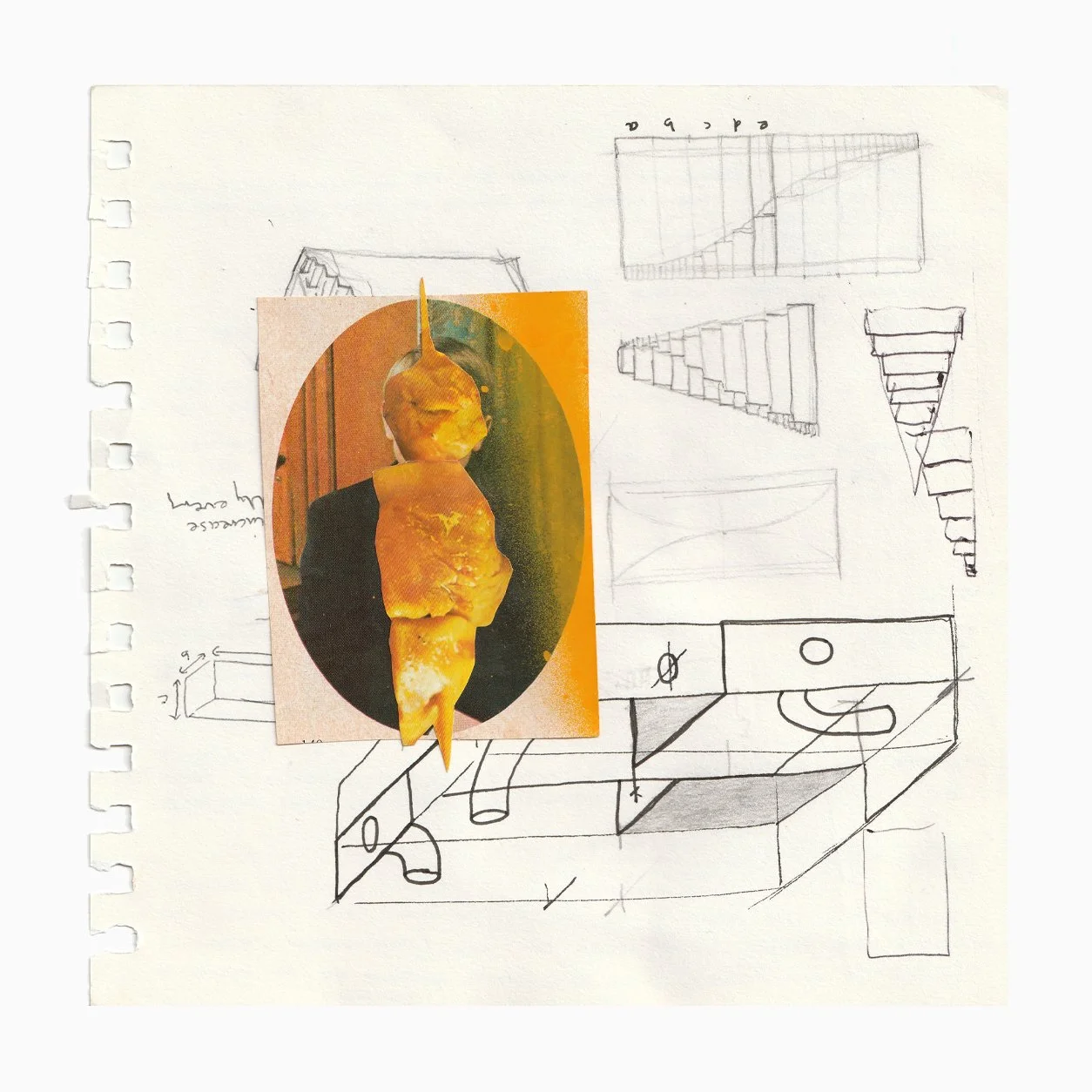
Angelica’s installation piece was a machine that disassembled itself. Everyone at every stage — the friends she told about it, the gallery curators, the art critics, the visitors who came to see it — assumed that it would reassemble itself again, and that the disassembly and reassembly would go on indefinitely. They liked this imaginary version of her machine and spoke about its potential themes with enthusiastic hand gestures.
“No, that's not how it is,” she would say, patiently at first, and then a little more forcefully. But nobody listened, and eventually she gave up.
Building and programming a machine that could disassemble itself was very difficult, and the project had been going on for the last two years.
The other great feature of the past two years of Angelica’s life was that every morning she checked the Tumblr blog of a woman around her age called Maud. Maud lived in a different timezone and Angelica liked that she lived while she was sleeping.
Maud's blog was not popular. Angelica could not remember how she had first found it. Her posts were rarely interacted with, and Angelica had never seen anyone reply to her or her reply to anyone.
Over the past two years, Maud had become fascinated with a micro-trend on the website of posting GIFs that did not loop, but instead, after playing, just displayed the last frame, frozen, until the page was reloaded. She posted long, rambling musings on how they made her feel, the strange pit they left in her stomach, the bewildered reactions of other users. She had gotten most of the way through the application processes at several universities to do a PhD studying their use online, but, all at once, had seemed to realise that what she was saying did not make much sense to anyone else and might not be connected to reality. She had abandoned the email threads she had with various professors and now worked as a cashier in a pharmacy, which she, of course, called a ‘drugstore’.
Angelica was by all metrics more successful than Maud: people were aware of her and her art, and she earned money from it. (It was unclear if Maud considered herself an artist at all.) Still, Angelica felt very small and upturned and worshipful when she read Maud's blog, like a loping dog, or a little girl with a crush on her beautiful and intelligent schoolmistress.
She wanted to invite Maud to the exhibition. She would not do this because there was no way to do it sanely, but she wanted to. What she wanted to do was send a beautiful handwritten invitation in dark red ink with a silk pouch for an envelope that said, please come and see my machine that disassembles itself.
Eve Polly Solomon’s work has appeared in publications such as Molecule, Stereoscope, and Kritiqal. She has very nearly been a part of several artistic communities.